HGVS™ (Human | Knowledge | Life | Science) is an advanced Initiative dedicated to transforming healthcare through innovation, personal privacy, and patient-centric design. At its core, HGVS redefines how medical services are accessed, financed, and delivered—empowering patients, doctors, hospitals, and communities to participate in a next-generation ecosystem of care.
HGVS Services and Related Ecosystems
The HGVS Services Ecosystem reflects a new approach to healthcare data—one that moves beyond fragmented records toward a more complete, longitudinal understanding of each individual’s health experience.
Across these sections, activities that may appear operational—such as claims recovery, revenue optimization, and digital transformation—also serve a deeper purpose: the structured capture and integration of patient-level data over time.
By organizing this information into coherent, privacy-centered records, HGVS enables the creation of both reference data and derived data, supporting improved diagnostics, research, and system-wide insight.
This evolving framework provides a foundation for more accurate understanding of patient outcomes, emerging health patterns, and the broader dynamics of healthcare systems—while maintaining individual privacy and control.
HGVS Protocol governs HGVS ECOSYSTEM
HGVS seeks to create a healthcare related ECOSYSTEM with an emphasis on medical data privacy, medical claims recovery and application of digital transformation and ai in hospitals, healthcare and other medical facilities.
In addition, its focus includes new approaches addressing risk mitigation related to market, credit, operations and systemic risks, as well as pandemic, regulatory liability, and cyber | ai risk exposures.
Using advanced open source medical records schemas, quantum encrypted personal privacy digital containers with Contollable Electronic Records ("CER") protected by US Uniform Commercial Code (UCC), and IPv6 "edge" devices aiding participant interaction add a new approach to personal health related data privacy.
HGVS recognizes the value of i) advances in euqipment and methods of extraction, collection, monitoring, storage, and privacy in healthcare and medical reference data, ii) the impact of advanced information technologies ("IT"), particularly in machine learning and other forms of digital intelligence in creating more useful and valuable derived data, iii) the potential for applying these forms of value to "intellectual property ("IP"), and (iv) new forms of "edge" connectivity and personal health data vaults.
A key focus of HGVS is monetizing IT & IP for providers and patients, assisting patients in paying medical expenses, claims co-pays and deductibles and benefiting medical professonals in monetizing their expertise and innovation in preventive wellness, healthcare, medical treatment and diagnosis.
Use of IAC™ Insurers to issue USD$1 billion in FlexGIA™ to :
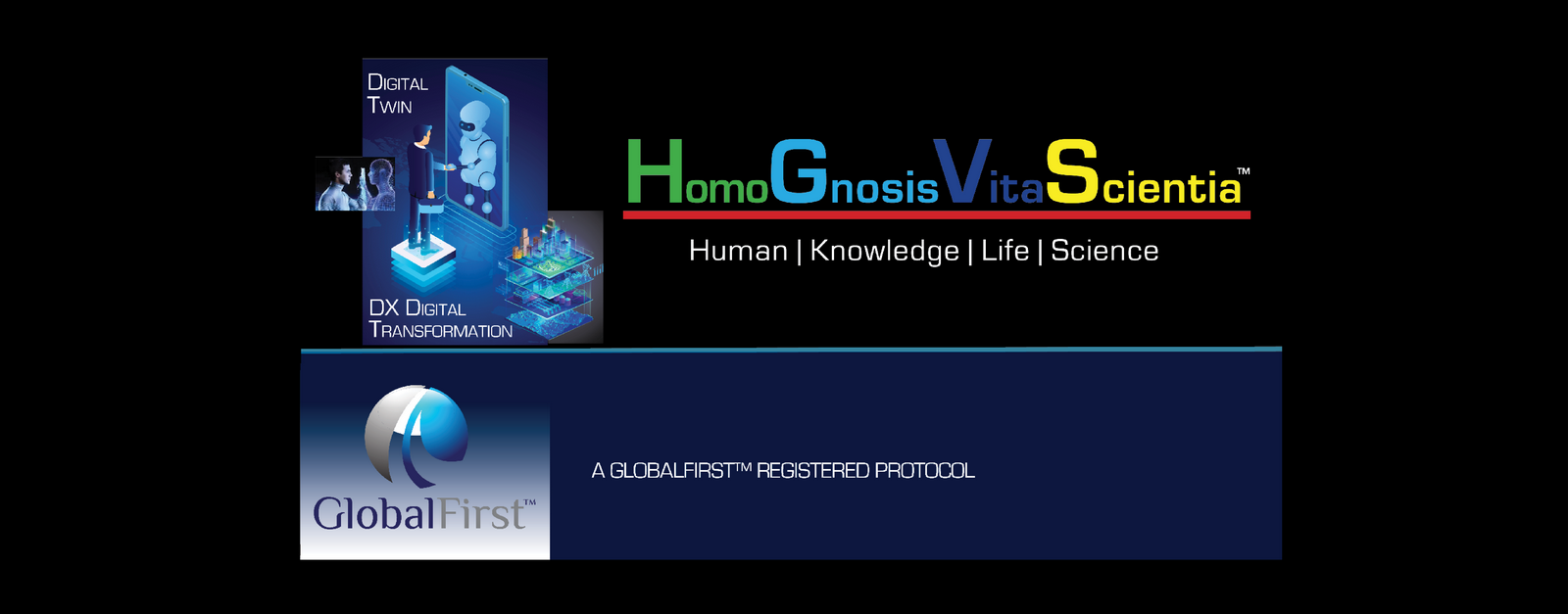
It is a pleasure to introduce yet another Protocol. Co-creating with this awesome team has been and continues to be "inspirational."
As always, architecting, prototyping, building and implementing requires a great foundation.
HGVS Protocol begins with Alliance iii.o
In Alliance iii.o, we envision a path from "HOMEWORLD" to "DIGITALUNIVERSE".
Please accept our invitation to explore this evolving world of PROTOCOLS and DIGITALUNIVERSE and join our collaboration, if you wish.
We invite you to join the HGVS Community and trust its use will assist in improving your Quality of Life and of your friends and family.
A Legacy of Innovation
HGVS draws upon decades of innovation in computing and healthcare.
Alasdair G. “Sandy” Barclay was an early computing pioneer, working with J. Presper Eckert, John Mauchly, and Grace Hopper in developing the COBOL computing language. John T. Oakes was an early pioneer in networked, decentralized computing and shared-resource systems and developed some of the earliest software for third-party administration of medical, workers’ compensation and prescription drug claims for leading U.S. corporate ERISA health trusts. Douglas L. King was an early pioneer in the reinsurance of these ERISA trusts and together with Oakes, developed and implemented the conversion of paper-based medical claims and patient records into electronic form.
By 1985, King, Barclay and Oakes led a team pioneering the use of intermodal containers to create modular facilities and formation of the first IAC Insurers—enabling specialized forms of insurance whose policies would ultimately receive the highest rating designations from major international rating agencies. Those modular container systems and insurance companies continue to sit at the core of the infrastructure supporting HGVS™ and O|Zone™ today.
Douglas L. King
AD&C Lead Principal
HGVS™ Medical Facility Services are designed to help Medical Institutions and Medical Professionals make more of the capabilities and relationships they already have—recovering earned revenue, discovering overlooked value, learning from historical information, mitigating risk, connecting capital and infrastructure, and expanding diagnostic capacity.
The six Services below approach that opportunity from different Perspectives. Open any one for a brief introduction—or follow them in sequence to see how the pieces begin to connect.
ADC Principals have developed a strategy which involves implementation of a catalytic opportunity related to US Medicare Health Claim Recoveries, designed to provide funding for creation and expansion of HGVS Ecosystems.
Hospitals and Medical Professionals provide care every day. The work gets done. The costs are incurred. But what happens when some of the revenue already earned never makes it through the claims process?
Healthcare systems across the United States process billions of dollars in Medicare claims each year. Some claims are denied even though eligible services were provided and care was delivered, leaving hospitals and doctors with earned revenue that may remain recoverable.
The HGVS Claims Recovery Ecosystem brings together advanced technologies, data analysis and specialized Medicare expertise to identify and reprocess eligible claims from prior periods. Rather than treating those claims simply as historical denials, the Ecosystem seeks to determine where recoverable value remains and provide participating hospitals and doctors with a structured pathway to pursue it.
Recoveries can return earned revenue to participating hospitals and doctors while also creating a catalytic source of funding for the development and expansion of broader HGVS Ecosystems.
But denied claims are only part of the story. What about care that was provided, resources that were used, and procedures that were performed—but never fully found their way into the financial record?
Hospitals and Doctors may have provided qualifying patient services that were not fully captured or billed on previously paid Medicare claims. This may occur because of clinical complexity, evolving billing practices, documentation, coding or other operational conditions.
The HGVS Revenue Optimisation Ecosystem applies advanced technologies, data analysis and specialized expertise to historical claims and patient-service information to identify eligible reimbursements that may remain available. Recovering those amounts can improve revenue capture from care already delivered while maintaining compliance with applicable Medicare guidelines.
New digital technologies are giving us remarkable new ways to learn more about a patient—improving the information available to us, what we can see through diagnostic imaging, and how we recognize changes in patient state over time. HGVS explores ways these capabilities can be brought together around patients, doctors and medical facilities—including access to technologies and resources that may exist beyond their traditional walls. We begin with two complementary areas: HGVS Intelligence and IP.
HGVS Digital Transformation Ecosystem
Healthcare systems are undergoing a fundamental shift as advances in digital technology, artificial intelligence, and connected devices reshape how care is delivered, monitored, and managed.
However, many hospitals and medical facilities—particularly in regional and underserved areas—face challenges in accessing the infrastructure, equipment, and integrated systems required to support this transformation.
The HGVS Digital Transformation Ecosystem is designed to address this gap by enabling the deployment of advanced medical technologies, digital infrastructure, and connected systems within a unified framework.
By integrating artificial intelligence, Internet of Things (IoT) devices, and standardized data architectures, the Ecosystem connects medical professionals with enhanced tools and capabilities, supporting improved diagnostics, treatment, and operational efficiency.
This approach facilitates the modernization of healthcare environments while enabling broader participation across communities, institutions, and supporting infrastructure systems.
Healthcare systems rely on established relationships between diagnostics, procedures, and outcomes to guide treatment decisions, claims processing, and actuarial forecasting.
Recent developments, including the long-term effects of COVID-19, are introducing new patterns and anomalies that challenge these historic relationships. As these changes emerge, they may lead to increased claims denials, reduced accuracy in actuarial models, and growing uncertainty across healthcare, insurance, and financial systems.
This Ecosystem is designed to address this condition by identifying, analyzing, and interpreting evolving patterns within healthcare data.
By combining historical hospital data with ongoing patient participation—within a privacy-centered framework—the Ecosystem applies advanced artificial intelligence to detect emerging trends, compare shifting conditions over time, and generate new forms of insight to support medical professionals, researchers, and financial stakeholders.
This approach enables a more adaptive understanding of health conditions, improving decision-making, enhancing forecasting, and supporting the long-term stability of healthcare systems.
Medical IP Ecosystem
ADC Principals, including associated Medicare Experts have identified a potential benefit for Hospitals and other Providers to recognise the value of their patient intellectual property. This is the first step in developing HGVS INTELLIGENCE framework, using Calypso™ InfoVault™.
Hospital | Medical Professional Intellectual Property
Every hospital and doctor practice, through years of patient care, diagnostics, and treatment, develops a deep body of knowledge derived from real-world medical experience. This includes patterns between symptoms and outcomes, relationships between diagnostics and procedures, and insights gained through continuous patient interaction.
Much of this knowledge—while essential to improving care—remains fragmented, underutilized, or confined within individual institutions.
The HGVS framework introduces a new approach to recognizing this accumulated knowledge as a form of Healthcare Intellectual Property (Healthcare IP). By structuring historical patient data into anonymous, contextual reference data, hospitals and physicians can begin to organize and apply these insights in a consistent and scalable manner—supporting research, improving diagnostics, and enhancing long-term patient outcomes.
Within this model, Healthcare IP is not the ownership of patient records, but the recognition of derived knowledge created through care delivery, expressed in a manner that preserves patient privacy while enabling broader medical advancement.
As this structured knowledge becomes part of the broader HGVS ecosystem, a mechanism is introduced to support participation and value exchange. Similar to how other industries optimize underutilized capacity through internal systems, HGVS enables hospitals and physicians to benefit from their anonymized Healthcare IP.
What happens when better diagnostics, longitudinal information and the ability to recognize change earlier begin to tell us more than what may be happening with a patient? What might that change about the risks carried by Medical Institutions and Medical Professionals?
Better information can change more than diagnosis. It can change risk.
Longitudinal information, advanced diagnostics, DigitalTwin™s and Digital Intelligences can help Medical Institutions and Medical Professionals recognize changes earlier, strengthen clinical decision support, improve documentation and develop a more complete understanding of the circumstances surrounding care.
Earlier Recognition creates an opportunity to act earlier.
Over time, those capabilities may help Medical Institutions and Medical Professionals better understand, manage and mitigate clinical, operational and professional risk.
But not every risk can be eliminated.
Where appropriate, HGVS Services can connect Medical Institutions and Medical Professionals with specialized insurance and risk infrastructure designed to address risks that remain—including professional liability, institutional exposures, first-loss structures and other bespoke risk-transfer and risk-mitigation arrangements.
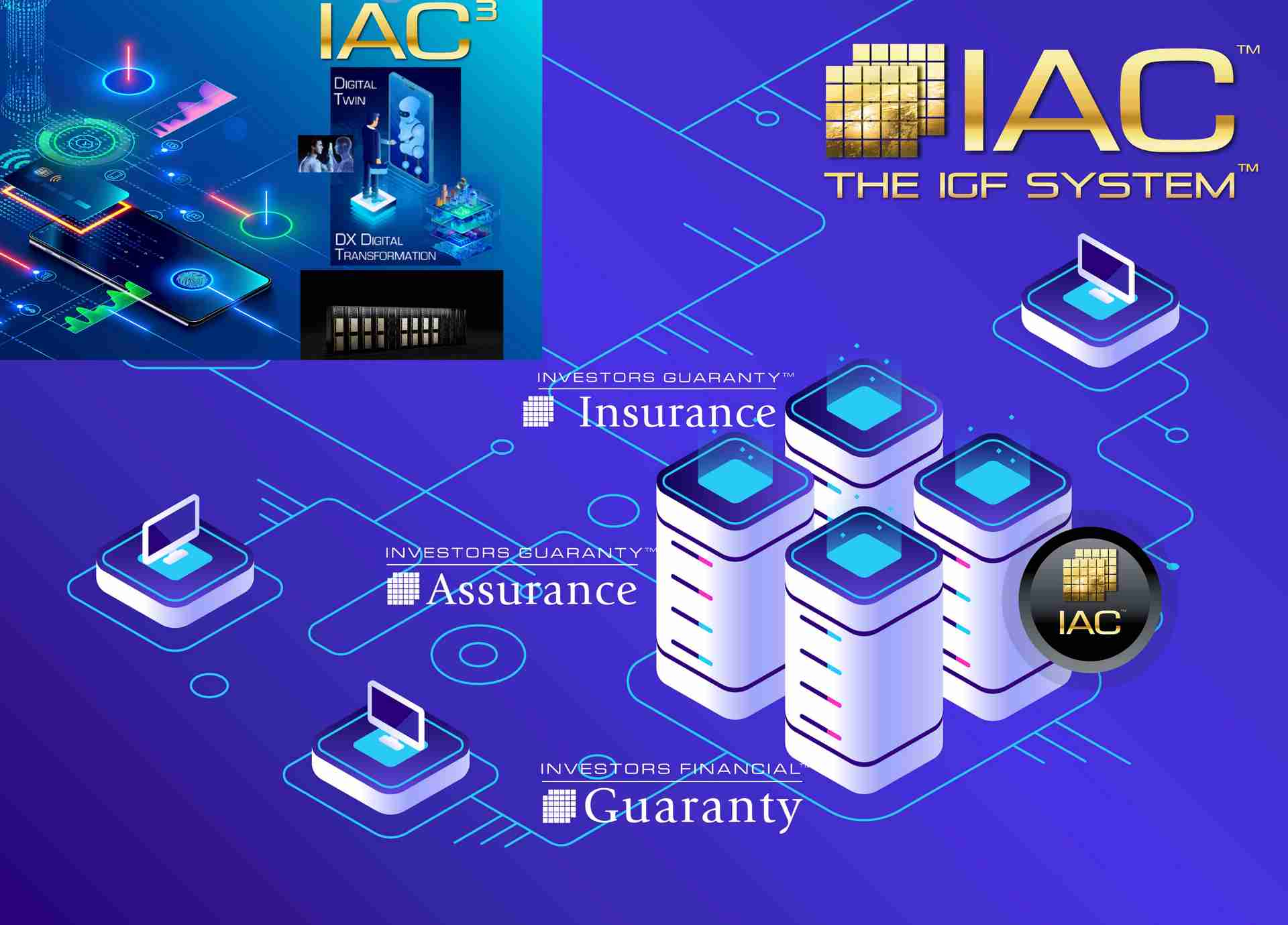
Through the broader IAC™ Marketplace infrastructure, additional insurance, assurance and financial-guaranty capacity can be configured around particular exposures and institutional objectives.
Risk mitigation therefore becomes more than an insurance question. It becomes part of the infrastructure through which Medical Institutions, Medical Professionals and Communities can expand what they are able to undertake.
Understanding Risk + Return
At its core, a Medical Institution exists to care for Persons. That undertaking carries both return and risk. Those are not separate worlds of information. They are different Perspectives upon much of the same underlying institutional activity.
Every Medical Institution already possesses extensive Reference Data—the records, observations, transactions, images and other information created through caring for patients and operating the Institution—together with Derived Data developed therefrom. It may extend across many years, systems, facilities, Medical Professionals and episodes of care.
Some relates directly to Persons—the patients. Some describes the Medical Institution and its activities. Much of the two is naturally interwoven, carrying different rights, restrictions and responsibilities involving privacy, institutional proprietary interests, security, contractual obligations and potential legal liabilities.
The opportunity is not simply to gather everything into another enormous database. It is to establish a governed longitudinal infrastructure through which appropriate Reference Data and Derived Data can remain protected, appropriately sequestered, related across systems and time, and made progressively more useful.
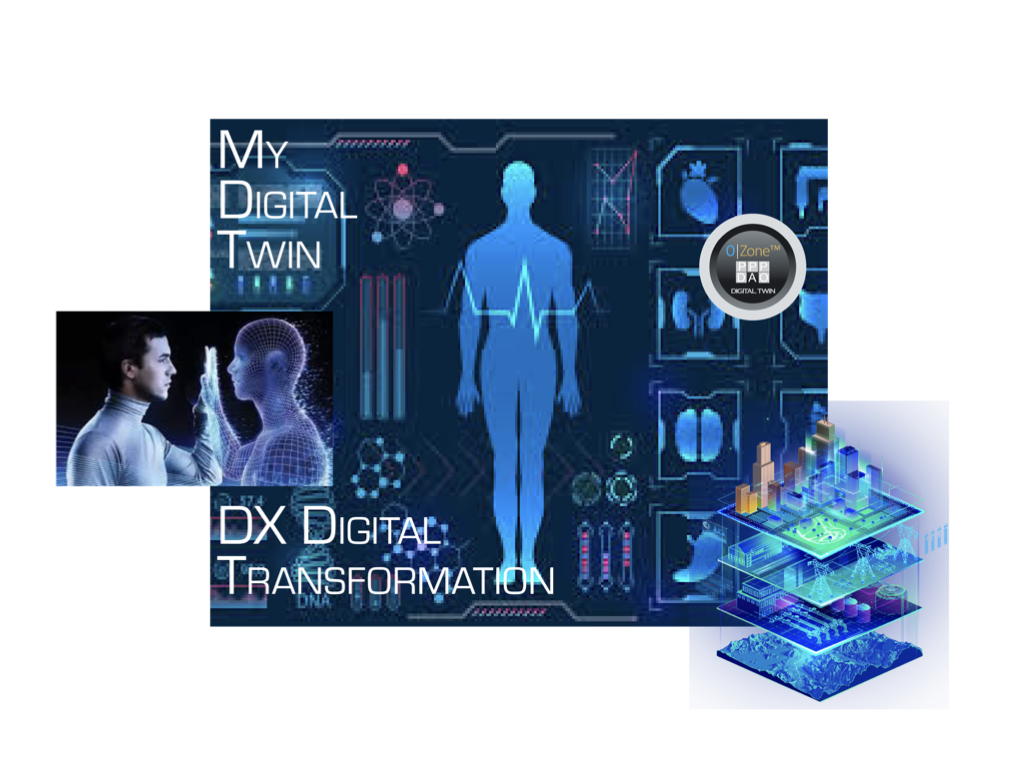
DigitalTwin™ — SOLOMON™ | Digital Intelligence — DELPHI™
Two key components of the broader infrastructure are SOLOMON™ and DELPHI™. Their names were chosen deliberately.
Solomon has endured for millennia as an archetype of wisdom and judgment. Delphi was the home of the Oracle, where people sought insight into what was known, what it might mean and what might lie ahead. Modern technologies now give those enduring functions entirely new capabilities.
Digital Twin™ — SOLOMON™ provides a persistent, governed framework for representing state, relationships and change through time. Reference Data and Derived Data can be related longitudinally around a Person, Medical Institution or other distinguishable subject.
Persistent identity allows Persons, Medical Professionals, organizations and other relevant elements to remain distinguishable across systems and through time. Their underlying information need not all reside in one place—or be transferred to a common analytical core. It can remain within appropriately protected and governed environments while authorized Digital Intelligences develop permitted Perspectives across it.
Historical information can establish genesis and reveal the trajectory to the present; relevant new information can continue that trajectory as state changes.
Digital Intelligence — DELPHI™ provides function and Perspective. Using Large Language Models and other advancing cognitive technologies, Digital Intelligences can work across the Reference Data, Derived Data and Digital Twins they are authorized to examine.
They can answer what Humans ask, look for information Humans routinely want or need, discover relationships across information originally created for different purposes, and surface an emerging Condition that a Human may need to know about before anyone knew the question to ask.
As new relationships, observations and analytical outputs develop, appropriately governed Derived Data can enable new Perspectives, new questions and additional Derived Data. The informational environment can become more useful as it is used.
Provenance and applicable rights can remain identifiable as information is transformed, allowing privacy, institutional interests, permitted uses and potential future economic interests to remain subject to appropriate governance.
In simple terms:
Digital Twin™ — SOLOMON™ helps maintain what we know about state and change in state.
Digital Intelligence — DELPHI™ helps us discover what that state and those changes may be telling us.
Beginning With the Person
The Medical Institution can begin with the information closest to its core undertaking: caring for the Person.
A practical first phase can focus upon privacy-protected Person Data—the patient in this context—and reconstruct longitudinal relationships among encounters, diagnostics, procedures, documentation, services, billing, claims and other relevant information.
That provides two immediately productive initial missions.
For Denied Claims Recovery, Digital Intelligences can examine what was provided, what was billed, what was denied, why it was denied and whether recovery may remain available.
For Unbilled Services Recovery, they can look from the other direction: what appears to have been provided, what supporting information exists, what was never billed and whether an appropriate claim may still be submitted.
The purpose is not simply to analyze claims. It is to begin establishing Person-level longitudinal infrastructure while pursuing revenue the Medical Institution may already have earned.
Much of the initial prototype infrastructure can be brought to the undertaking, allowing the Medical Institution’s early participation to focus principally upon preparing appropriate Reference Data, contributing the knowledge necessary to understand it, and engaging its teams as useful Derived Data begins to emerge.
Additional capabilities and expenditures can develop as demonstrated value and institutional priorities warrant.
From Persons to the Institution
Every Person history also contains evidence of institutional activity.
What happened to the Person tells us something about what the Medical Institution did: what was observed, what was known, what diagnostics were undertaken, what was documented, what intervention occurred, which Medical Professionals participated and what happened afterward.
Across thousands—or potentially millions—of Persons, those individual trajectories begin revealing the longitudinal experience of the Institution itself.
The routines developed through Person-level work can begin extracting appropriately governed Institutional Data from the underlying Person records. Additional Institutional Reference Data can then be incorporated incrementally according to the Medical Institution’s priorities.
Each new mission can build upon infrastructure, relationships and Derived Data already developed rather than requiring another isolated point solution.
The Medical Institution determines where expansion is useful. New missions can deliberately extend the Reference Data, Perspectives and participants available to them.
Capability does not itself create authority. Each expanding mission carries its own permissions, boundaries and governance.
Where Reference Data is available and appropriate, the historical reconstruction can extend toward a rolling decade, including experience before, during and following the COVID years. As each new year develops, that evidentiary window can continue forward, combining approximately a decade of institutional experience with continuing observation of current state change.
The result can become an extensive and continuously developing institutional state-change system, expanding according to the priorities of the Medical Institution.


Recognizing + Mitigating Institutional and Professional Risk
The same activity through which institutional return is generated also carries institutional and professional risk.
At the Person level, longitudinal information can help Medical Professionals see trajectories more clearly, improve documentation and decision support, and place current Conditions within richer historical context.
Medical Professionals are essential contributors to the Institution’s developing knowledge. Their observations, documentation, interventions and outcomes enrich the longitudinal environment; what the Institution learns across many Persons can, in turn, provide Medical Professionals with richer context when caring for the next Person.
A Condition first observed in one Person may become recognizable across many Persons. The Institution may respond by changing a process, protocol, diagnostic pathway or other Condition. Subsequent Person trajectories can then help reveal what followed.
At the Institutional level, Digital Intelligences can develop Perspectives across appropriately governed information concerning diagnostics, documentation, clinical processes, Medical Professional activities, staffing, equipment, facilities, procedures, transitions of care, communications, timing, escalation, follow-up, unexpected outcomes and other Conditions surrounding the delivery of care.
The objective is not merely to find where something went wrong.
It is equally important to discover what works.
As mitigation measures are undertaken, the Digital Twin™ environment can continue capturing relevant state change while Digital Intelligences observe what follows.
Did the Condition persist?
Did its frequency or severity change?
Did it begin to de-emerge?
Did something else emerge?
Are similar trajectories appearing elsewhere?
Is there a relationship no one previously thought to examine?
Is something developing that the Risk Manager, Medical Professional or clinical governance team needs to be apprised of now?
Digital Intelligence can identify relationships, patterns, correlations, trajectories and possible Emergence. Those observations do not replace Human clinical, actuarial, legal or governance judgment. They help identify where that judgment may be most productively applied.
That is where historical information can become continuing institutional learning—and where the Institution can begin observing not only what changed, but what changed after it acted.

Different Perspectives. One Institutional Reality.
The CFO, Risk Manager, Medical Professionals and those responsible for clinical and institutional governance can bring different governed Perspectives to a common longitudinal environment.
The Medical Professional may examine the trajectory of a Person. Clinical governance may look for recurring patterns across Persons and processes. The Risk Manager may examine emerging exposures, concentrations, interventions and mitigation. The CFO may examine economic consequences, retained exposures and the relationship between risk and return. Executive leadership can begin seeing relationships among them.
Over time, the Institution can increasingly say: Here was our experience.Here are the Conditions we recognized.
Here is what we did.
Here is what changed afterward.
Here are the risks that appear to have diminished or de-emerged.
Here are the exposures that remain.
That is more than historical loss information.
It can become evidence of risk governance through time—not simply what happened to the Medical Institution, but what the Institution recognized, how it responded and what subsequently changed.
For the CFO, Risk Manager, clinical governance professional and ultimately the underwriter, that can become an extraordinary and continuously developing body of institutional insight.
Mitigate. Retain. Transfer.
Some risks can be reduced through better diagnostics, documentation, clinical processes, training, equipment or other interventions. Some may make sense for the Medical Institution to retain. Others may be appropriate to transfer.
The Digital Twin™ — SOLOMON™ and Digital Intelligence — DELPHI™ architecture can help those decisions become increasingly evidence-based.
And demonstrated mitigation matters.
A historical exposure that has been recognized, addressed and continuously observed may present a very different residual risk than one understood only through historical claims.
Rather than simply describing its risk-management practices, the Medical Institution may increasingly be able to demonstrate what happened, what Conditions were identified, what changed, what happened afterward, what appears to have de-emerged, and what residual exposure may be appropriate to retain or transfer.
That creates a richer basis for considering retention, attachment, limits, structure, terms and pricing, as well as institutional liability, professional liability, first-loss and other bespoke risk-transfer arrangements.
Once a Medical Institution can describe its risks with greater longitudinal evidence, risk itself can begin to be approached differently as a financial and insurable exposure.
Through LAUNCH [OK], advanced specialty risk-management, risk-mitigation and risk-transfer infrastructure is being developed within the state. This can create pathways through which Medical Institutions connect deeper longitudinal understanding and demonstrated mitigation with IAC Insurer™ capabilities and broader domestic and international insurance and reinsurance markets.
The Medical Institution begins with something created through what it already does every day: caring for Persons. Its Reference Data, together with the Derived Data developed therefrom, provides the genesis.
Digital Twin™ — SOLOMON™ can help turn that history into a persistent understanding of state and change in state.
Digital Intelligence — DELPHI™ can help Humans discover what those states, changes, relationships and trajectories may mean.
Together, they can progressively help the Medical Institution:
recover return, recognize risk, mitigate what can be mitigated, retain what makes sense to retain, and transfer what makes sense to transfer.
CONNECTING CAPITAL, INSURANCE + INFRASTRUCTURE
Understanding an Opportunity—and the risks associated with it—is only part of the equation. The next step is bringing together the capital, insurance and infrastructure capable of supporting it.
What if the same relationships capable of helping Medical Institutions and Medical Professionals better manage risk could also help bring together the capital, financial services, facilities, equipment and other infrastructure needed to expand what they can do?
The pieces required to do this already exist.
Across every Community are Medical Institutions, Medical Professionals, Community Banks, Government Authorities, employers, benefit plans, universities, schools, churches, civic and trade organizations, foundations, nonprofits, endowments, family offices and other institutions already connected through longstanding financial, professional and Community relationships.
Each possesses different capabilities. LAUNCH [OK] enables each participant to do more of what it already does well—within an architecture through which those individual capacities become something much larger together.
For Medical Institutions, that can fundamentally change the way expanded diagnostic capacity is approached. Instead of requiring the institution to acquire every piece of equipment, construct every facility and carry the entire capital requirement, other participants can provide productive infrastructure that the Medical Institution is particularly well positioned to operate—bringing its clinical professionals, regulatory and compliance capabilities, administration, systems and patient relationships to that infrastructure.
Redirecting Capacity Into Infrastructure
Some high-income individuals, family trusts, family offices and others already within these relationships have substantial tax liabilities. Applicable incentives can offset a portion of those liabilities, enabling funds otherwise required to satisfy them to be redirected toward ownership of qualifying productive equipment and infrastructure.
We call that ability Self-Directed Incentive Capacity — SDIC.
And participation need not begin with ownership of an entire ScanPod™.
The infrastructure is modular, and participation can be too. Multiple parties can redirect different levels of SDIC toward individual Components that together comprise a ScanPod™—allowing each participant’s capacity to be matched with an appropriate part of the infrastructure.
As new tax liabilities and applicable incentives arise over time, qualifying participants may have opportunities to redirect additional capacity. New participants can join them. Additional Components can be placed into service. Additional ScanPods™ can emerge.
Recurring capacity can create cumulative infrastructure.
For the Medical Institution, the result can be additional equipment and diagnostic capacity it can operate and from which it can generate revenue—without requiring that it own all of the underlying infrastructure.
Connecting Institutional Financial Capacity
The same Community relationships extend into another kind of capacity.
Medical Institutions and their foundations, Medical Professionals, employers, universities, endowments, Government-related funds, retirement organizations, financial institutions and other Community participants have relationships reaching substantial institutional financial participants.
Those relationships can intersect with the state-focused FlexGIA™ architecture and the broader financial infrastructure supporting LAUNCH [OK].
The importance extends beyond a single financial transaction. As that infrastructure develops, it can create additional insurance, financial-guaranty, risk-transfer, risk-mitigation and specialized funding capacity capable of supporting Medical Institutions, Government Authorities and O|Zone™ Opportunities throughout the ecosystem.
Capital used to establish infrastructure can therefore help create continuing capacity for additional infrastructure.
Connecting Infrastructure With Humans
And Communities possess another resource every bit as important as financial capacity:
relationships with Humans.
Employers connect with employees and their families. Benefit arrangements connect with covered populations. Universities and schools connect with students, faculty and families. Churches, civic organizations and trade groups connect with their members. Government and nonprofit organizations already serve populations throughout the Community, including Humans who may be particularly difficult for conventional healthcare systems to reach.
Those existing relationships can connect expanded diagnostic capacity with longitudinal programs addressing Long COVID, pediatric populations, at-risk Communities and other diagnostic needs as they emerge.
A participant may bring institutional financial capacity. Another may redirect available tax capacity into productive equipment. Another may provide clinical operations. Another may provide banking, custody or financial services. Another may connect thousands of Humans with diagnostic care.
And many will bring more than one.
Those Capacities Become Infrastructure
This is where the pieces come together.
Community Banks can extend the local financial relationships they already serve.
Medical Institutions can extend their clinical, administrative and regulatory capabilities across additional diagnostic infrastructure.
Medical Professionals can extend their expertise and trusted relationships.
Individuals, trusts and family offices can redirect applicable financial capacity toward productive Components.
Institutional participants can help establish broader financial and risk capacity.
Government Authorities can enable public infrastructure and qualifying financing.
Community organizations can connect the Humans they already serve with the diagnostic capabilities being created.
Each participant brings the capacity it is uniquely positioned to contribute.
LAUNCH [OK] connects those capacities within a common architecture.
O|Zone™ Opportunities provide a framework through which separately owned, separately governed and differently financed Components can work together as functioning infrastructure.
No single relationship has to create the whole.
Instead, many relationships, many capacities and many Components can come together—over time and across Communities—to create something much larger than any one could create alone.
The pieces required to do this already exist.
LAUNCH [OK] brings them together.
And those capacities become infrastructure.
PPP Infrastructure
An O|Zone™ Opportunity brings participants with complementary forms of capacity together around an undertaking.
An equipment owner can provide equipment capacity. A facility participant can provide facility capacity. Medical Institutions can provide clinical, regulatory, administrative and operating capacity. Medical Professionals can provide professional and clinical capacity.
Community Banks can provide financial operating capacity. FlexGIA™ can provide capital and assurance capacity. IAC insurers can provide risk capacity. Government Authorities can provide applicable public infrastructure and authority capacity.
O|Zone™ Opportunity architecture provides the framework through which those complementary capacities can operate together—while each participant continues doing what it is particularly well positioned to do.

Now let’s put this architecture to work. What happens when facilities, equipment and other resources are brought together with the clinical capabilities your Institution and Medical Professionals already have?
A Medical Institution’s ability to serve patients need not end at the walls of its hospital or physician offices.
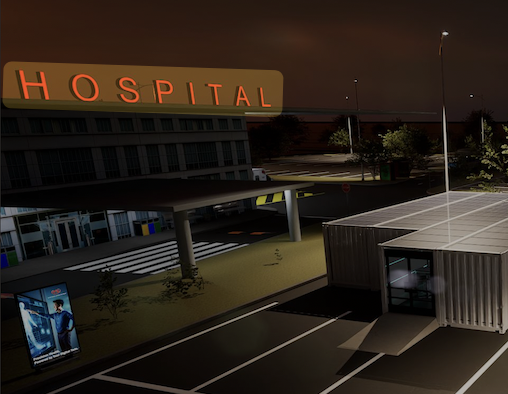
ScanPod™ facilities can place advanced diagnostic capabilities closer to the Humans and Communities that need them, while participating Medical Institutions and Medical Professionals extend the clinical, administrative, regulatory and professional capabilities they already possess across that additional infrastructure.
Each ScanPod™ provides a modular environment in which advanced diagnostic equipment, technology and supporting infrastructure can be brought together around particular diagnostic capabilities. ScanPods™ can operate individually or combine within a larger ScanPort™ ecosystem as Community needs and available capacity grow.
Modularity allows diagnostic capacity to expand incrementally. Individual Components can come together within a ScanPod™; individual ScanPods™ can operate independently or as part of a broader ScanPort™; and additional capacity can be added as participation, utilization and Community needs develop.
For participating Medical Institutions and Medical Professionals, expanded diagnostic capacity can also create additional operating activity and revenue. Rather than committing capital to own every Component, they can concentrate on the clinical and operating capabilities they are particularly well positioned to provide—and participate in the activity generated as more Humans use the infrastructure.
Employers, benefit arrangements, schools, universities, churches, civic organizations, trade groups, Government programs, nonprofits and other Community participants can connect the Humans they already serve with that expanding diagnostic capacity. That creates opportunities for organized diagnostic pathways addressing Long COVID, pediatric populations, at-risk Communities and other needs as they emerge.
The longitudinal information generated through those encounters can, in turn, continue strengthening the Digital Twin™ and Digital Intelligence architecture surrounding participating Humans—allowing physical diagnostic infrastructure and longitudinal intelligence to develop together.
One ScanPod™ expands a capability.
Multiple ScanPods™ can begin to create a distributed diagnostic network. Connected through the broader HGVS and LAUNCH [OK] architecture, those facilities can evolve into a ScanPort™ ecosystem capable of serving multiple Medical Institutions, Medical Professionals, programs and Communities.
Expanded diagnostic capacity does not have to begin with a new hospital, a new health system or a massive new facility. It can begin by extending capabilities already present within a Community—one Component, one ScanPod™, one diagnostic program and one relationship at a time.
As those capabilities connect, diagnostic reach expands. Medical Institutions and Medical Professionals gain new opportunities to participate. More Humans gain access. And what begins as a single ScanPod™ can become infrastructure serving Communities far beyond the walls of any one Medical Institution.
And each new diagnostic encounter can add to the longitudinal information from which Humans, Medical Professionals and Medical Institutions continue to learn—allowing expanded diagnostic capacity to create not only additional access and revenue, but additional intelligence.
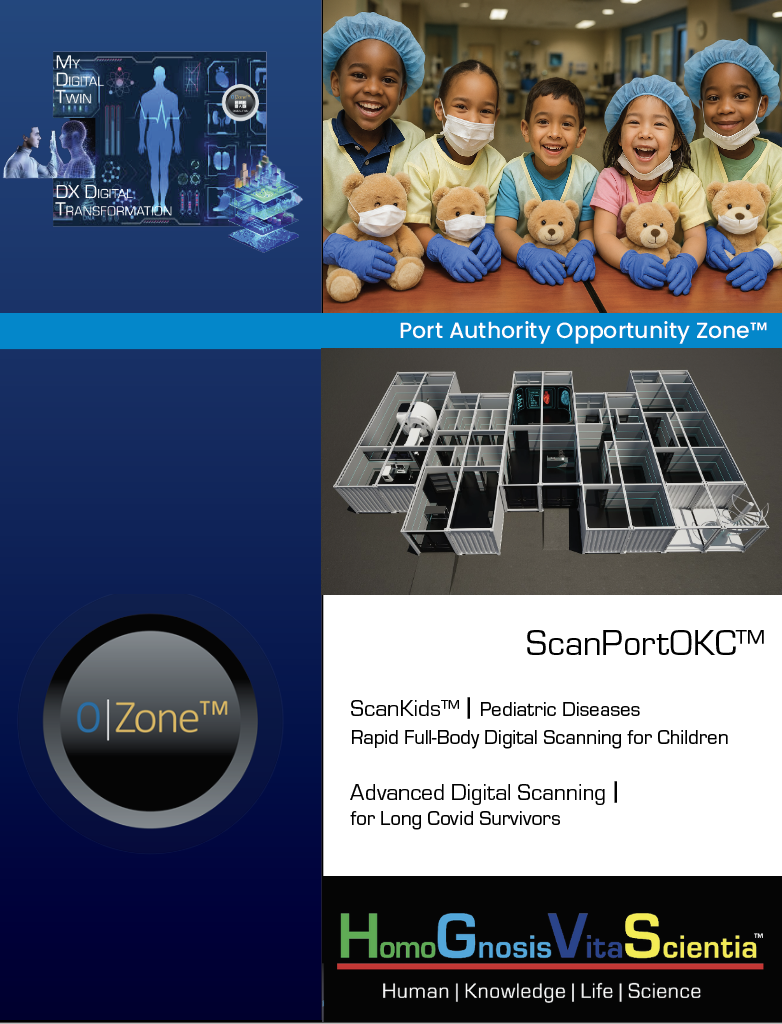
ScanPod™ — More Than Imaging
ScanPod™ takes its name from the specialty companion container sets designed to accommodate advanced digital scanning technologies—but scanning does not define the Pod. Remove those specialty modules and the underlying infrastructure remains a highly functional environment capable of supporting professional, educational, technological, hospitality, Community and other enterprise activities.
At its core is a highly modular infrastructure designed around flexible-use spaces, professional work environments, advanced audiovisual and communications capabilities, gathering and educational areas, indoor-outdoor hospitality and other configurable spaces. Specialty companion modules can then be added around that infrastructure for advanced imaging or other applications as particular O|Zone™ Opportunities emerge.
That distinction is important. The Pod does not have to be rebuilt around each new activity. Activities can be assembled around the Pod. Different professionals, enterprises and organizations may use different parts of the infrastructure at different times, while specialty capabilities can be added, changed or configured around the requirements of the particular location and opportunity.
The staffing model follows much the same idea. A small general team can remain with the Pod while the specialty people change around it. A host or technology host can welcome visitors, coordinate shared spaces, assist with audiovisual and communications technology, support meetings and events, orient visiting professionals and generally facilitate the people and organizations using the infrastructure. Other locally based personnel can support hospitality, facility operations and recurring activities.
Specialty applications then bring the personnel appropriate to them. Advanced imaging requires its qualified technical staff. A visiting professional may arrive with an assistant or professional team. An educational program brings instructors. Another enterprise may bring an entirely different group. The infrastructure provides continuity; the activities and participants can change.
Its physical architecture is similarly modular. Components are designed to be manufactured and configured in advance, transported to a prepared location and assembled around the needs of the site and application. Rather than beginning each deployment by finding an existing building and determining how to remodel it around specialized equipment and uses, the infrastructure itself is designed to arrive ready to receive those capabilities, subject to the applicable site, engineering, regulatory and operating requirements.
And because those capabilities are not permanently embedded in a single conventional building, a Pod can evolve as the opportunity around it evolves. Equipment can change. Uses can change. Specialty modules can change. Different enterprises can participate. What begins with one combination of activities need not remain frozen in that configuration for the life of the infrastructure.
That repeatability also allows the same underlying infrastructure grammar to be deployed across multiple locations while each Pod is configured around the opportunities, participants and requirements of its particular Community.
ScanPod™ is therefore less about constructing a facility for a predetermined use than creating modular infrastructure capable of receiving the people, technologies and enterprises appropriate to a particular place over time.
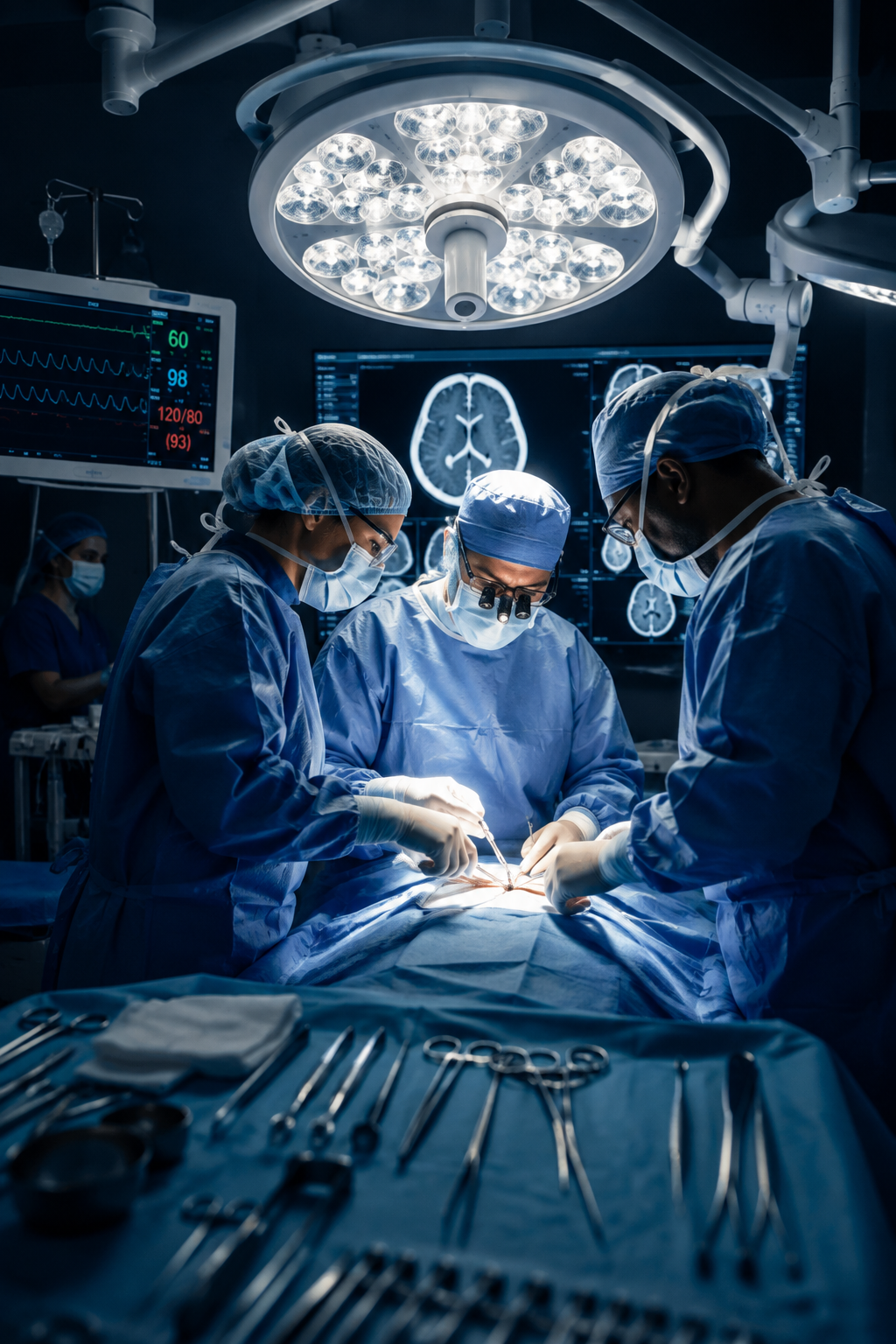
Medical Professionals
For Medical Professionals, ScanPod™ can create something increasingly difficult to find in contemporary healthcare: greater choice in how, where and with whom they practice.
Participation need not depend upon employment by a particular medical facility. Independent physicians, physician groups, radiologists and other qualified Medical Professionals may participate through their own professional relationships, through medical facilities with which they are associated, or through other combinations appropriate to the services they provide. No one participant necessarily needs to own the entire professional environment simply to practice through it.
That begins to separate things that have traditionally been tied to the same address: where a Medical Professional lives, where they practice, where their patients are located, where advanced diagnostic equipment is located, where supporting professionals work, and which medical and teaching institutions they collaborate with.
For a Medical Professional entering a new Community, that can remove a remarkable amount of friction. The opportunity can become a place to arrive rather than something to establish. Professional workspace, advanced communications, audiovisual capabilities, flexible patient and procedure environments and other supporting infrastructure can already be there. A visiting physician may bring a PA or another member of the professional team without having to recreate the conventional office, staff and physical infrastructure that ordinarily surround a practice.
Physical presence no longer has to be binary.
A physician can be physically elsewhere while professionally present in the Community—and physically in the Community while remaining professionally present elsewhere. A patient may be supported locally by an appropriately qualified nurse, PA, technologist or other Medical Professional while a specialist participates digitally. When the physician’s physical presence adds value, the physician can come to the ScanPod™, see patients and work with local professionals, perhaps remain for several days, and continue participating with patients and colleagues elsewhere while there.
That can make specialty presence proportional to the needs of the Community rather than dependent upon whether the Community can support an entire conventional specialty practice. Cardiology might be physically present on particular days. Maternity and other specialists may combine continuing digital participation with periodic visits. Other specialties may participate according to the needs and populations of each Community.
The same principle can be particularly powerful for scarce specialist expertise. A highly experienced specialist remains one Human; the infrastructure does not pretend otherwise. But the specialist’s expertise need not be geographically scarce simply because the specialist is.
The specialist can reach farther without moving everywhere; the local professional can reach deeper expertise without leaving home.
That second half matters.
Locally based nurses, PAs, imaging technologists, technicians and other qualified professionals can develop continuing relationships with patients while working alongside specialists, advanced technologies, medical facilities and teaching institutions that may be located elsewhere. Professional development and access to advanced expertise need not always require the local professional to leave the Community in order to find it.
Advanced imaging adds another dimension. Radiologists and other Medical Professionals whose work depends upon diagnostic information do not necessarily need to share the geography of the equipment they interpret. Distributed advanced imaging can support distributed professional participation, while HGVS longitudinal information can provide richer context than an isolated image or episodic encounter alone.
That can change how scarce professional time is used.
Appropriately qualified local professionals can undertake the activities appropriate to their roles while the physician concentrates on the observations, judgments, decisions and Human interactions requiring the physician’s expertise. The opportunity may be to accommodate another patient. But it may just as importantly be to spend more useful time with the patient already there—with better information, greater scheduling flexibility and easier access to other professionals when another perspective is useful.
For independent Medical Professionals and specialty groups, there is another possibility: professional reach without necessarily reproducing professional overhead. Entering another geography has traditionally meant establishing another office, staffing it, equipping it and carrying its fixed costs before sufficient professional activity develops around it. Shared infrastructure can allow a professional presence to develop differently, with the particular participation and economic arrangements structured around the services actually being provided.
Nor does the professional environment end with seeing patients. A physician can consult with colleagues, participate in teaching and research, join conferences at a distant medical center, mentor locally developing healthcare personnel, participate in Community education, meet professional groups, or create educational and professional media. ScanPod™ can become somewhere from which a Medical Professional practices—not merely somewhere they occasionally visit to see a patient.
And that begins changing the relationship between professional life and geography.
A physician who values the resources and relationships of a major teaching hospital has traditionally had strong reasons to live nearby. Distributed infrastructure can begin separating those decisions. A Medical Professional may choose to live in a smaller Community and go into the metropolitan medical center when necessary, rather than living near the medical center simply because that is where the professional infrastructure has traditionally been concentrated.
Another may choose exactly the reverse: remain metropolitan and spend several days each month in Communities they serve. Others may divide their professional lives among several places. A radiologist may participate across a distributed imaging network. An independent specialist may develop meaningful relationships in several Communities without establishing a conventional office in each.
The important point is not which model Medical Professionals choose.
It is that they have more choices.
Where to live. Where to practice. Which Communities to serve. Which institutions to associate with. Which professionals to collaborate with. When physical presence matters. When digital presence works. How much conventional office infrastructure they actually need. And how they want medicine to fit within the rest of their lives.
Medicine has traditionally asked Medical Professionals to organize much of their lives around where the infrastructure happens to be. ScanPod™ begins asking whether the infrastructure might instead be organized around where Medical Professionals—and the people they serve—want to be.
Medical Institutions
What if the reach of a Medical Institution no longer had to be defined principally by the geography of its physical facilities?
Medical Institutions bring together extraordinary concentrations of Medical Professionals, clinical knowledge, operating experience, administrative capability, teaching and research relationships, patient relationships, institutional reputation, and trust developed across generations. ScanPort™ creates another environment through which those capabilities can reach farther.
The advanced digital imaging equipment and infrastructure introduced earlier can be deployed across additional locations, while the Medical Institution brings the capabilities it already possesses. Its radiologists can interpret across a distributed imaging network. Its technologists can operate scanning functions. Specialists can participate physically and digitally across multiple Communities. Existing administrative and professional capabilities can support activity across a broader geographic footprint.
The opportunity is not simply to place advanced equipment somewhere else. It is to extend institutional capability through it.
For the Medical Institution, that can mean multiple footprints, additional scanning capacity and imaging revenue, extended hours and greater equipment throughput, broader geographic catchment, new patient relationships and stronger continuity with existing ones.
Where applicable, location and service configuration may create additional reimbursement opportunities. HGVS and longitudinal observation can also support continuing diagnostic relationships with retirement populations, employer healthcare trusts and other groups interested in observing health trajectories over time.
ScanPort™ can also provide an environment in which Medical Professionals and technologists begin working with advanced digital imaging while the Institution continues to evolve its own technology and operations on its own timetable. New capability can be introduced alongside existing capability, allowing experience, training and utilization to develop around it.
The relationship with the Person can extend as well.
Imaging, consultation, follow-up and other appropriate services can occur closer to where people live. When the capabilities of a major medical center are needed, the Person can move naturally into the Institution for those services and return to the Community while the relationship continues. The Medical Institution can remain connected across that journey—before, during and after the occasions when the Person enters its principal facilities.
That creates an opportunity to use distributed capabilities and major institutional capabilities together, each where it creates the greatest value.
It also creates a different relationship with Medical Professionals.
The preceding section explored the greater freedom Medical Professionals can have over where they live, where they practice and how they participate. Medical Institutions can make that freedom part of an attractive professional affiliation.
Independent Medical Professionals can remain independent while developing deeper relationships with the Institution. Employed physicians can participate across a wider geography. Specialists can establish continuing relationships with Communities without maintaining conventional practices in each one. Radiologists can participate across a distributed imaging environment. Teaching, research, professional collaboration and institutional expertise can travel with them.
Affiliation can extend across independent practices and professional relationships.
Over time, those affiliations can deepen. Medical Institutions already possess substantial administrative, training, technology and risk-management capabilities. Selected capabilities can ultimately support broader relationships with affiliated Medical Professionals and other participants, creating additional ways for the Institution and independent professionals to work together.
For the Medical Professional, greater independence can coexist with a strong institutional home.
For the Medical Institution, that can mean a professional network extending considerably farther than its payroll or physical campus.
The same opportunity extends to workforce development.
ScanPort™ can provide a local environment in which imaging technologists, technicians, nurses and other personnel develop skills and careers. Medical Institutions can participate in that training directly and alongside universities, colleges, technical schools and other educational organizations. Local people can develop professional capability close to home while remaining connected to Medical Professionals, technologies and institutional expertise that may be located elsewhere.
Those professionals can become part of a distributed workforce serving both the Community and the broader institutional network.
For teaching and research institutions, distributed infrastructure creates additional possibilities. Education, continuing professional development, collaboration and appropriately structured research relationships can extend across locations. HGVS, Digital Twins and Digital Intelligences can help distributed populations and locations become sources of continuing observation and institutional learning.
Information and experience can move in both directions.
Institutional expertise can reach outward. New observations can return. What is learned in one location can become useful across the network.
And participation can develop differently from one Community to another.
In one location, the Medical Institution may operate the scanning functions. In another, its specialists may create the strongest connection. Elsewhere, education, workforce development, research or longitudinal population relationships may become particularly important. As activity develops, additional capabilities and relationships can develop with it.
That flexibility creates an opportunity for a Medical Institution to build a distributed presence across a geography in ways appropriate to each Community.
And the Institution brings something especially important to that presence.
Trust.
An established Medical Institution carries a name people know. Its reputation may reflect decades of caring for families, training Medical Professionals, supporting Communities and developing clinical expertise. When that Institution participates in a ScanPort™, its name is not simply signage on another facility. It tells people something about the Medical Professionals, standards, relationships and capabilities they can expect to encounter there.
The ScanPort™ brings advanced infrastructure into the Community. The Medical Institution brings something infrastructure cannot manufacture: institutional trust.
Imagine that presence across several Communities.
The Institution’s radiologists interpreting scans across the network. Its Medical Professionals participating locally and digitally. Its specialists visiting periodically. Local technologists trained through relationships with the Institution and educational partners. Patients moving naturally between ScanPort™ and the major medical center as their needs change. Educational programs and Community events carrying institutional participation into places where the Institution previously may have been known principally as the hospital in another city.
The Institution’s physical campus remains an extraordinary concentration of capability.
Now its institutional footprint can reach considerably farther.
Its people can be known there. Its expertise can be available there. Its relationships can grow there. Its name can carry confidence there. And over time, the Institution can become woven into the everyday relationships of Communities across a much larger geography.
A Medical Institution can become part of a Community without having to reproduce itself there.
And from there, the perspective changes.

Community
For a Community, ScanPod™ can become considerably more than a place to receive advanced imaging. It can become a place people know.
Advanced diagnostic capabilities that may once have required a trip to a metropolitan medical center can be brought closer to where people live. Medical professionals who previously existed principally at the other end of that trip can become more accessible as well—sometimes physically present in the Community, sometimes participating digitally, and sometimes moving naturally between the two.
That can begin changing the relationship between a Community and healthcare. A specialist who visits periodically does not necessarily remain the doctor from the city. Over time, that physician can become someone local patients and healthcare professionals know, while continuing digital interaction provides continuity between physical visits.
And the geography can work in the other direction: physicians and other medical professionals may discover that they can live in the Community and go into the metropolitan medical center when necessary, rather than living near the medical center because their work has traditionally required it.
ScanPod™ can also create opportunities to develop healthcare capability from within the Community. Local residents can be trained as imaging technologists, technicians, nurses and other healthcare personnel, potentially through participating medical and educational organizations. Someone who might once have believed that pursuing a healthcare career meant leaving home may instead find an opportunity to develop that career while remaining part of the Community.
But perhaps the most interesting possibilities begin outside the examination and scanning environments.
The large audiovisual environment can support healthcare education, professional training, Community programs and conversations with medical professionals located almost anywhere. Flexible spaces, including overnight accommodations can facilitate visiting professionals, educators and other activities. The indoor-outdoor kitchen, covered patio and gathering areas can support nutrition programs, cooking demonstrations, staff and guest meals, educational events—or simply a Saturday afternoon barbecue.
Healthcare can become something neighbors experience together rather than something encountered only when somebody becomes sick.
Someone who has already undergone a particular scan can talk with a neighbor scheduled for one next week. People can compare experiences, learn what different technologies actually feel like, meet the people who operate them and become more comfortable asking questions. Families can participate in educational programs before there is a crisis. Medical professionals can meet people outside the formality of an examination room. Information begins moving through the same relationships through which Communities have always learned—from one another.
And because the Pod itself can support many different activities, it need not sit largely dormant between medical encounters. Educational organizations can use it for training. Local organizations can gather there. Professionals can teach there. Employers and other groups can participate in programs there. Local people can provide hospitality, food and support services. Different enterprises and O|Zone™ Opportunities can bring additional activity into the same infrastructure.
Over time, something subtle can happen. The infrastructure becomes part of the Community rather than simply infrastructure located in the Community.
People know the Hosts. They know some of the technicians. They recognize the physicians who visit. Local people work there. Students train there. Someone’s daughter gets her first healthcare job there. Someone’s neighbor tells them about the scan they had there. People gather there for reasons having nothing to do with being sick.
And that can ultimately change who initiates the conversation. A Community need not wait for a metropolitan medical facility to decide that it is ready to expand there.
Community leaders, employers, educational organizations, medical professionals and local participants can begin identifying the capabilities they want, the people who could be trained, the populations they want to serve and the relationships they would like to develop.
Before you move on, press Play and take a walk through a ScanPod™.
And don’t just look at the scanners.
Look for the places to interact virtually with Medical Professionals; the overnight accommodation and flexible space for visiting physicians; the advanced video conference, presentation and computing areas; and the indoor/outdoor spaces for teaching, cooking, entertaining and simply bringing people together.
Then ask yourself:
What could we do with this?
We have looked at what Medical Institutions and Medical Professionals may learn from years of patient care—and at the knowledge and Medical IP that can emerge from it. But every one of those longitudinal records begins somewhere else. It begins with a Human. What happens when we look at that same information from their Perspective?

Welcome to HGVS™ InfoVault™
HGVS™ is a program designed as a catalyst for local Community HealthCare and medical diagnostic and treatment innovation, incorporating advanced artificial intelligence, machine learning and new forms of artificial general and expert intelligence.
This O|Zone™ Initiative seeks to enable DX-Digital Transformation of healthcare in 3,300+ counties and parishes across America.
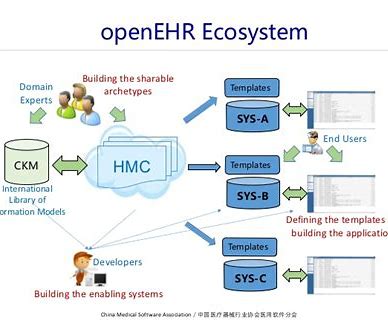
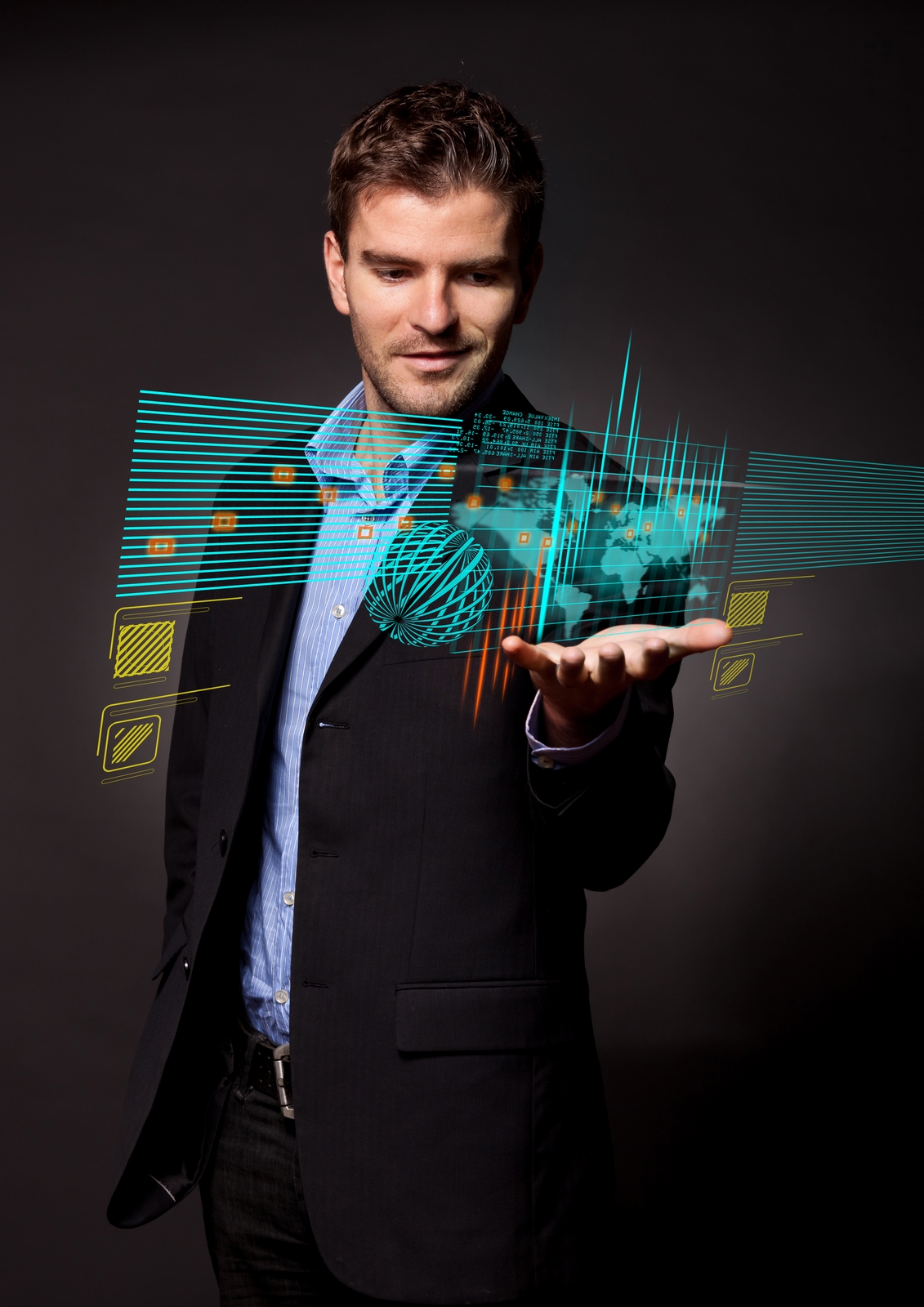
HGVS™ seeks to excel at the forefront of digital transformation of medical care facilities and preventative wellness, vitality and health care.
Partnering with O|Zone™ Emergency | Services | Facilities Initiative, HGVS is focused on providing advanced Internet of Things (IOT) and ai compute systems in Medical Facilities, as well as expanding rural Community healthcare facilities, equipment and staffing.
These objectives are designed to benefit from O|Zone™ Port Authority Opportunity Zone™ Initiative and advanced Qualified Opportunity Zone technologies.
O|Zone's US focus is on establishing participating facilities in 3,300+ counties in the United States, through 330 Port Authority Opportunity Zones, each a geographic catalyst for local Community development, funding, economic growth and environmental, social and governance initiatives.
HGVS™ has as a primary focus to design, construct and deliver containerised medical testing and treatment facilities for rural and specialty use areas, with video link and high speed internet functionality, at Net Zero emissions.
Financing of receivables and capital expenditures is another primary focus.
Application of HGVS CERs as a means of recognising Intellectual Property and Intangible Rights between medical providers and their patients, as well as means of establishing compensation between parties, is at the centre of HGVS CERs.
This private ecosystem is designed to capture value in intellectual property derived and reference data related to global healthcare, its advancement, application of enhanced value to investments in facilities, equipment and new Digital Transformation, as well as benefiting patients and medical professionals with advanced research and ai applications of patient data.
At the centre of HGVS's patient privacy focus is use of open source records schema technology and collaboration in diagnostics, procedures, risk factors, research and results.
Beginning with the great work of openEHR, HGVS team is expanding libraries with advanced technologies which support hospitals and governments including Hong Kong Health Care system, Government of New Zealand and other medical facilities around the world.
A common framework enables medical community and patients to integrate HUMAN data and content containers, synchronising applicable data elements between patients and medical providers.
This standard also enables global collection of medical data, HUMAN traits, DNA records and environmental conditions in a standardised, modular and well-defined manner.
HGVS envisions potential for this ever expanding anonymous global data sync to be useful, particularly when a patient's data can be used in context while protecting personal privacy of patient and that of medical providers.
The Universal Data Sync is to be available to global researchers, medical professionals and other accredited participants.
While some research time and data usage will be available on a "no or limited cost basis", revenue is to support payments to individual and medical professional contributors.
Personal privacy protected through quantum encrypted InfoVault™, in your possession, on your edge device and/or in your personal cloud.
Restoring
Personal Privacy
The value and usefulness of personal data has been demonstrated over and over again in the past two decades. Yet, for many individuals, benefits received for giving up their privacy and data may be viewed as far less than the value to those how profited from their data and at times has restricted their use of it.
HGVS™ has a fundamentally different focus. Your Data is Your Data! It should be kept with your person, within your abode, on your devices and/or in your personal cloud.
Next, we believe if you wish to share it, that sharing should be on your terms. If you wish it to be anonymous, then so be it. Where the context involves your personal information, then respected.
HGVS™ has identified various approaches to assisting individuals in monetizing their health data.
That's the vision of HGVS™ - one of assisting parties in use of their data and receiving benefits for such use.
An individual is able to enroll a mobile phone, tablet or other devices as "edge nodes" on Calypso|Cumulus|Edge™ medical grade private network.
A person may benefit from FlexRewards™ by aligning with participating Hospitals, Doctors, Prevention Clinics and providers.
Use of FlexRewards may offset deductibles, co-pays, pay for fitness and health related training, preventative testing, spa memberships and wellness services.
Network of HUMAN participants contributing personal data, services and participating in development of medical resource information and technologies
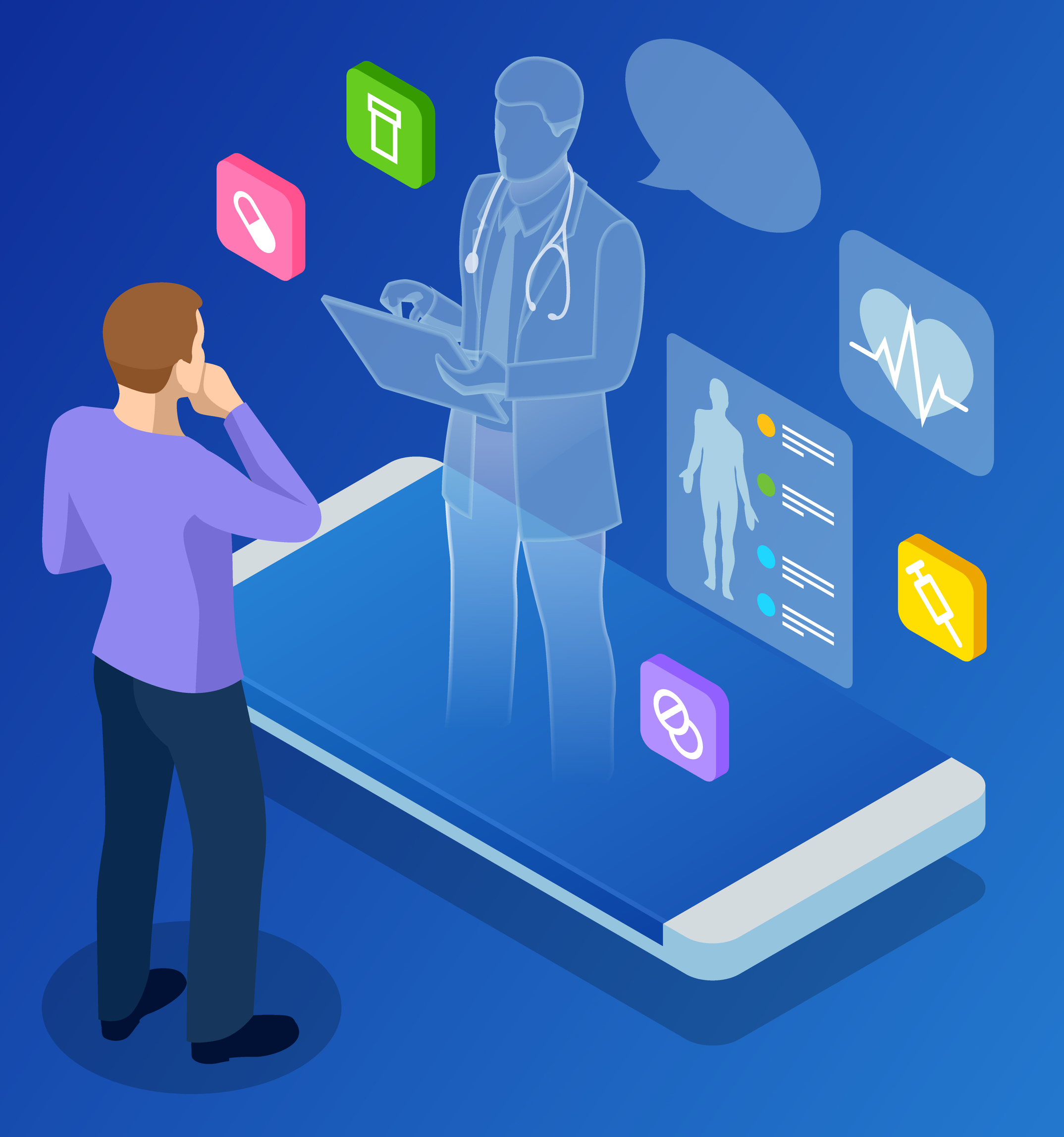
Crowd sourcing development of various wellness related IOT and interactive applications
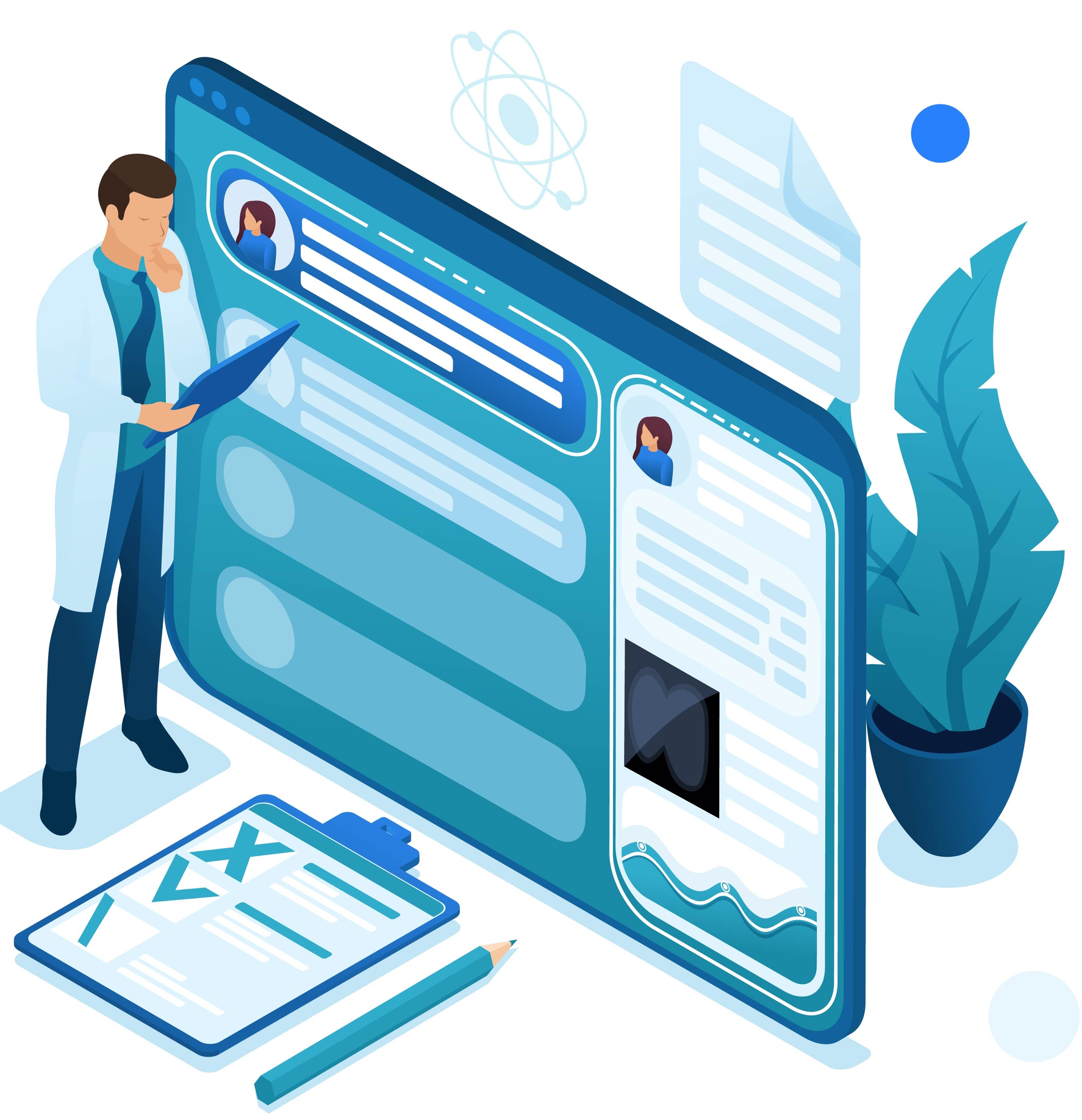
HGVS to support integration of OpenEHR with new health record formats
Development of Wellness Schemas for Calypso privacy digital containers
Digital Twin development for hospitals, other medical professionals and Humans
Digital Intelliegence Platform for IOT and Wellness reference and derived data
Image from Freepik
A Brief Summary of HGVS Initiative Perspectives